
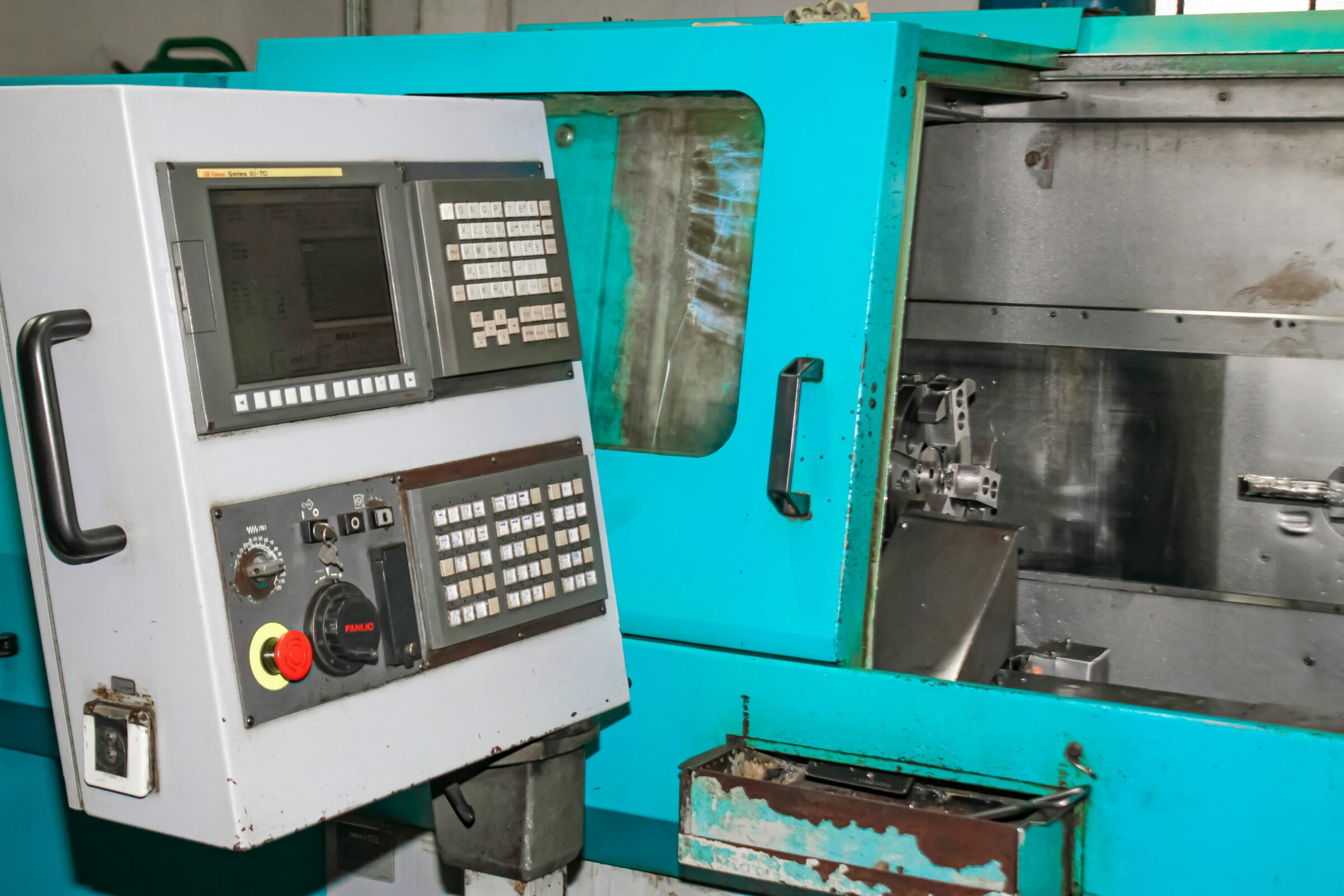
Walking the floor of a typical manufacturing plant often means encountering workers using thumb drives and manual data collection. While these practices have been the standard for years, they can be slow and error-prone, resulting in higher costs. Facilities have little choice in the matter, as most of these machines were never designed for connectivity.
IoT technologies help solve these issues by enabling continuous machine connectivity and automated data collection. However, every newly connected device also expands the cybersecurity attack surface, making secure connectivity essential for modern manufacturing operations.
The Hidden Costs of Legacy Data Collection
Before discussing what IoT adds to the picture, it is important to consider what manufacturers are working with today. For facilities that have not yet modernized their data infrastructure, common challenges include:
- Workers physically walk the floor to read machine gauges or check output counts.
- They use thumb drives to transfer data from isolated equipment to centralized systems, which introduces security risks and potential data integrity issues.
- Machines run to failure or near-failure because teams cannot analyze predictive signals in real time.
IoT deployments aim to address these inefficiencies. The question is how to get there safely.
The Growing Role of IoT in Manufacturing
Modern manufacturing is undergoing a digital transformation. The concept of the smart factory is becoming a reality for a growing number of industrial facilities worldwide. This shift is primarily due to the Internet of Things (IoT), whose presence in manufacturing has reached a market value of $172.65 billion in 2026. IoT comprises a sprawling network of sensors, monitors and connected machinery that continuously generates and transmits operational data.
Implementing IoT in manufacturing relies on sensors installed on equipment to monitor processes and procedures, enabling capabilities that were previously impossible. For example, predictive maintenance algorithms can now detect wear before it causes machine failure, while quality control systems flag defects mid-production rather than at the end of a run.
A key part of IoT is the connection between devices, which makes the technology both powerful and vulnerable — while IoT has changed how organizations design and manage industrial operations, it has also expanded the attack surface.
The Unseen Vulnerabilities: Exposing IoT Security Risks
The same connectivity that makes IoT so valuable in manufacturing is also what creates new pathways for cyber threats. Each sensor or remotely accessible piece of equipment is a potential entry point for malicious actors.
Blurring the Lines Between IT and OT
Information technology (IT) systems, like servers and workstations, are designed with cybersecurity in mind. They receive regular patches, run modern authentication protocols, use well-established security frameworks and implement network segmentation to prevent potential attackers’ lateral movement.
On the other hand, operational technology (OT) systems run physical machinery and prioritize reliability and uptime, but lack security frameworks. Many were designed to operate in isolation and were never intended to connect to external networks.
IoT erases that separation. As manufacturers connect legacy systems to corporate IT networks and cloud platforms, they must address the vulnerabilities of internet-connected OT systems without the security architecture to manage them. This combination can result in a hybrid environment that might be more exposed to risk than each system was individually.
Top Security Threats for Connected Factories
Manufacturing plants face several major IoT-related security threats that can affect both digital systems and physical operations.
- Weak device security: Many IoT devices use default credentials or outdated firmware. Attackers often target these devices because they can provide relatively simple access into larger industrial networks.
- Network vulnerabilities: Industrial IoT systems continuously transmit operational data between devices, cloud platforms and control systems. Without proper encryption or segmentation, attackers may intercept or manipulate sensitive data transmissions.
- Physical disruption through cyberattacks: Cyberattacks against industrial systems can have real-world consequences. Compromised machinery may stop functioning correctly, or manipulated controls may create unsafe conditions for workers.
- Supply chain exposure: Manufacturing networks frequently connect to third-party vendors and contractors. A security weakness in one of these external systems can create a pathway into the main manufacturing environment.
- Ransomware and downtime risks: Ransomware can cause real damage to manufacturing operations primarily through downtime that affects revenue and production schedules. Even short disruptions can lead to major financial losses and delayed deliveries.
Actionable Steps to Secure and Enable Manufacturing Plants
Security and IoT adoption are not opposing. When implemented correctly, security enables sustainable IoT adoption. Reducing IoT risk requires a combination of proactive security strategies.
Start With a Full Asset Inventory
Teams can only secure devices they are aware of. A complete asset inventory is an essential first step. Manufacturers should identify and document every connected device operating within the system, including sensors, gateways, workstations, legacy equipment and other components with network access.
Adopt a Zero-Trust Security Framework
A zero-trust framework assumes that no user, device or connection should be automatically trusted. Instead, each access request must be continuously authenticated and verified regardless of its origins.
This approach limits the damage attackers can cause if they compromise a single device or account. It also helps organizations enforce stronger identity management and tighter access controls across broad manufacturing systems. Tools like Zentry™ allow teams to integrate zero trust more seamlessly, making the network invisible to threats while providing visibility and control over each component.
Implement Network Segmentation
Instead of operating on one large interconnected network, manufacturers should divide systems into smaller, isolated segments. If attackers compromise one device, segmentation helps prevent them from moving laterally and accessing higher-value systems or disrupting production operations.
Develop a Formal Incident Response Plan
Even organizations with strong cybersecurity programs need to prepare for the possibility of a successful attack.
A formal incident response plan helps manufacturers respond quickly and consistently during security incidents. It clearly defines stakeholder responsibilities, communication procedures, containment strategies, recovery and escalation protocols. Many organizations are also exploring the use of AI to automate and aid their cybersecurity incident response practices.
The Future of Secure Manufacturing
Manufacturers positioned for future success recognize that both productivity and security are essential and mutually reinforcing. As manual data collection gives way to continuous, automated visibility, organizations must treat security as the foundation that enables trustworthy connectivity.
IoT technologies are helping manufacturers improve efficiency and visibility. With the right security architecture, the smart factory becomes a sustainable reality.

Lou Farrell - Guest Blogger
Lou is the senior editor of IoT computing and cybersecurity at Revolutionized Magazine, He has over 5 years of experience providing actionable insights to readers centered around the transformative potential of artificial intelligence and IoT in our modern, connected world.